Summer 2026 Edition
“The Center for Warriors is a faith-based organization dedicated to restoring hope and purpose for warriors and their families through a holistic network of support for those affected by PTSD and their military service.”
A MESSAGE FROM THE FOUNDER
2026 has been a year of growth for Center for Warriors, driven by the compassion of our board, volunteers, and donors. We moved forward on three fronts this year: adding programs that meet more critical needs, expanding our partnerships, and strengthening how we deliver services with measurable results. With the addition of Camp Enduring Hope, we're well positioned for our next chapter.
PROGRAM HIGHLIGHTS
When I reflect on the work of Center for Warriors Foundation, it makes me very proud of our dedicated board, volunteers and donors. Our growth in 2026 reflects the deep sense of compassion and commitment shown by our board, volunteers, and donors. I give thanks to God for sustaining and guiding our work, and to everyone who has faithfully stood with us.
Being servants of God is the standard of our service. It allows us to meet people at their hardest moments with compassion. We stand by them by giving them the best of ourselves.
Our service delivery, guided by our Board of Directors, sets us apart. This year we moved forward boldly on our organizational strategic plan on three fronts:
- adding programs that allow us to serve more critical needs
- adding partners through Cooperative Agreements to strengthen our brand
- optimizing service delivery with substantial, measurable outcomes
Our veteran impact grew alongside our operational strength. With the addition of Camp Enduring Hope on the Missouri River just south of Cascade, it has added a new dimension to those we already serve and to the new bandwidth of Green Star Families.
Center for Warriors is well positioned for our next chapter.
PROGRAM UPDATES:
ADDING PROGRAMS THAT ALLOW US TO SERVE MORE CRITICAL NEEDS OF OTHERS: Through our commitment to reducing veteran suicide and our work identifying Broken Warrior Syndrome (“BWS”), it has become clear we are just scratching the surface. We are working on partnerships with VOA (Volunteers of America), VNN (Veterans Navigation Network), and a few others to begin training others in BWS. Once these agreements are finalized, we will be able to start reaching veterans across the country.
ENHANCING OUR BRAND: Camp Enduring Hope has allowed us to expand our programs in several areas:
- Green Star Family Programs
- Fishing
- Retreats

Montana Veteran Bowhunters Association
We are currently searching for a new Director for MVBA

Archery Elk Hunt
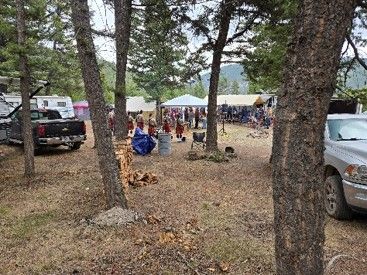
Our Veteran Archery Elk Camp has become one of the most well known camps in Montana. We hunt on thousands of acres, both private and public lands in Region 343. This is some of the best elk hunting in Montana. We know the area well. With a special thanks to our donors, we are able to provide all meals when in camp. Veterans are asked to register on our website for 1 week at https://www.centerforwarriors.org/archery-elk-camp-registration

Patriots Day (9-11 Event)
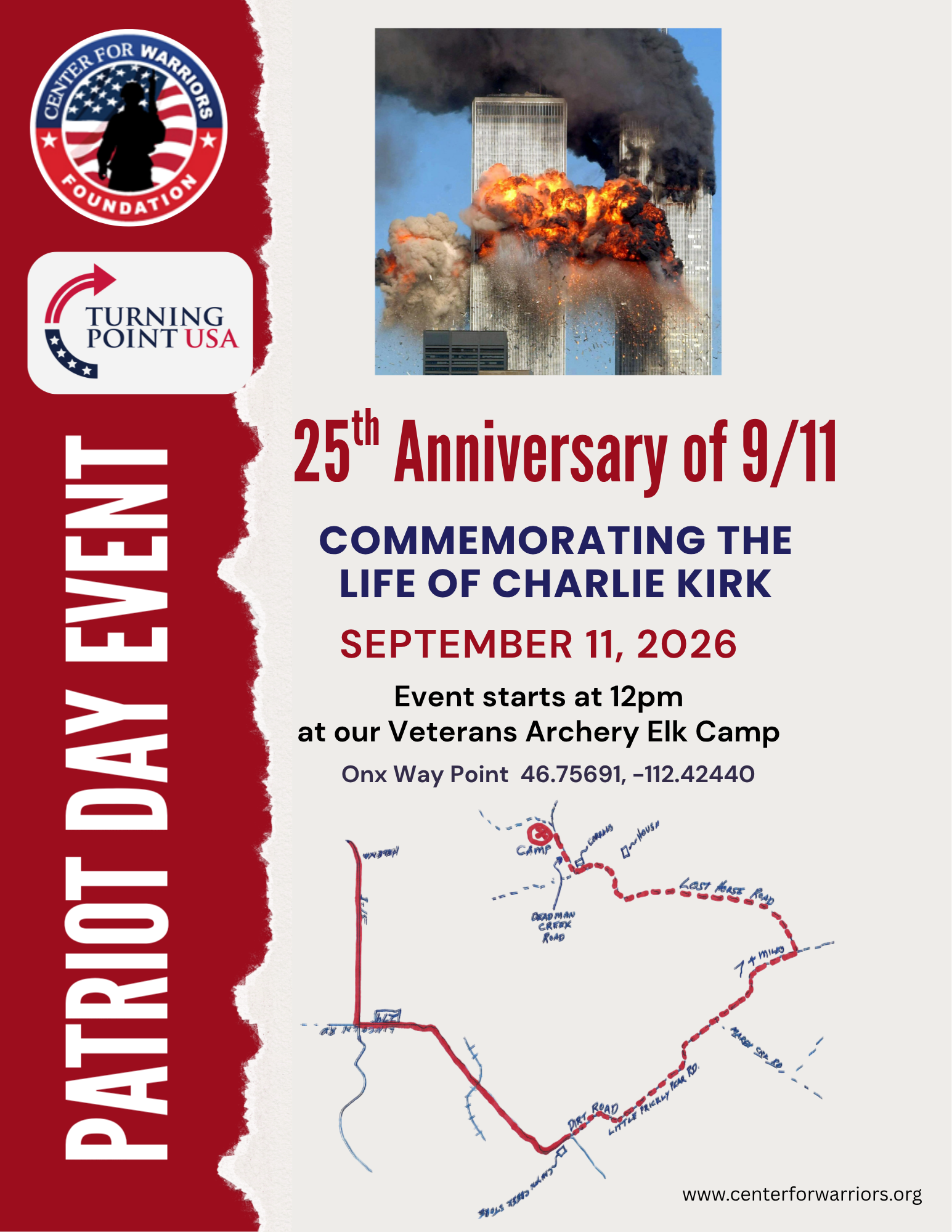
This year’s 9/11 Event marks the 25th anniversary of the September 11th, 2001 terror attacks. We're proud to partner with Turning Point USA for this year's event, which begins at 12:00 noon on Friday, September 11, 2026.
Eternal Hope Hunt
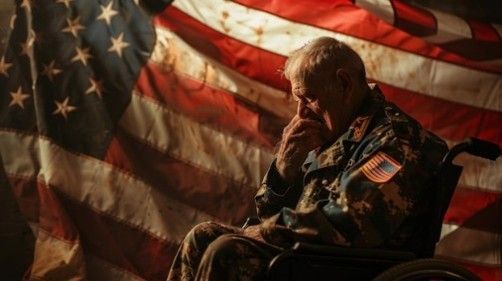
We are now accepting applications for our rifle elk hunt, a special new addition to our program honoring one U.S. veteran facing a terminal illness. The hunt will include the veteran's entire family for one week during opening week, created to honor their life and build a lasting memory together.
Camp Enduring Hope
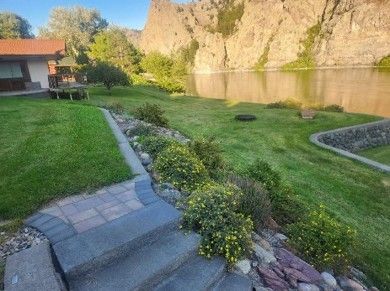
Thanks to Mr. Ray Obrien, we have received the generous gift of a beautiful riverside home on the Missouri River between Cascade and Craig. We will use this facility for the healing of veteran families through retreats, fishing camps, and more.
Spring Turkey Hunt
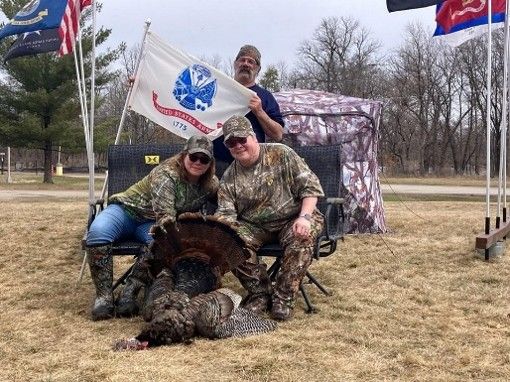
We are presently setting up a new Spring Turkey Hunt for April 2027. More to come as we get everything set up.
Green Star Family Program & Legacy
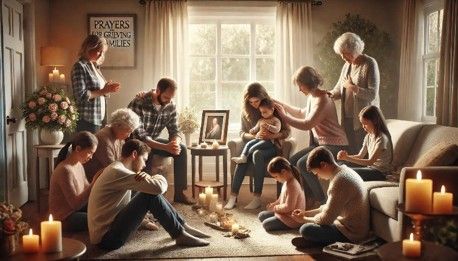
This critical program provides comprehensive, dedicated support exclusively for surviving family members of veteran suicide.
- Family Support: Green Star Family support, College Scholarships & Mortgage Assistance for Green Star families, Family Services, and Outdoor Youth Programs. On May 26th, 2025, CFW awarded its first-ever Green Star College Scholarship, changing her life.
- Honoring Service: Medals (Eternal Service Medal and Green Star Lapel Pin) to honor the veteran and their family.
- Families Served: So far, we have awarded 13 Eternal Service Medals and over 100 Green Star Lapel Pins to date.

Veteran Correctional Complex:
A New Standard in Veteran Care
(Currently in Planning Stages, 3rd Meeting with Montana Dept of Corrections is coming up on July 29, 2026.)
The Center for Warriors Foundation (CFW) is not just a veteran organization; it is a catalyst for landmark change in post-military wellness. As a fast-growing veteran organization in Montana, we have pioneered unique programs, developed in collaboration with clinicians, that confront the veteran suicide crisis in new ways. This includes the creation of two distinct designations for Post-Traumatic Stress: Injured Warrior Syndrome (IWS) and Broken Warrior Syndrome (BWS), each with a uniquely tailored treatment path. Since launching this work, we have treated more than 125 veterans in crisis, some of whom had already attempted suicide, using our approach to treating BWS. These veterans have found renewed purpose and a reason to live — and to date, zero veterans who have gone through our program have taken their own lives.
According to the Montana DOC website snapshot, there are 3,400 people in the Montana prison system today, with another 101 people waiting to be transferred in. The total maximum capacity is 3,450. Nationally, veterans make up about 8% of the prison population; in Montana, that rate is nearly 12%, meaning roughly 400 veterans are in our prison system today. With a 29.2% re-offense rate, an estimated 117 of those veterans will re-offend, and that number will keep growing unless something changes.
- National estimates suggest that as many as 22,500 veterans in Montana are still living with some form of PTSD, with the 29% who served in Iraq and Afghanistan experiencing the most severe cases — an estimated 6,525 veterans.
- Of those, 15% experience Injured Warrior Syndrome (IWS), while 85% — an estimated 5,546 veterans — experience Broken Warrior Syndrome (BWS). These are the veterans most likely to take their own lives or see their lives unravel. In our experience, BWS cannot be treated through medication and mental health care alone.
- Yet medication alone is too often the default treatment. These are the veterans we have focused our programs on, and in the past few years we have seen strong outcomes helping them heal.
- There are thousands that we have not yet reached. These are the individuals at risk for suicide or getting into trouble with the law.
Based on the trends we're seeing, the number of veterans in prison could continue to climb unless action is taken. We can begin by reducing the re-offense rate among veterans, and Center for Warriors Foundation is working diligently on the rest.
These are mind-boggling numbers. We need to start preparing:
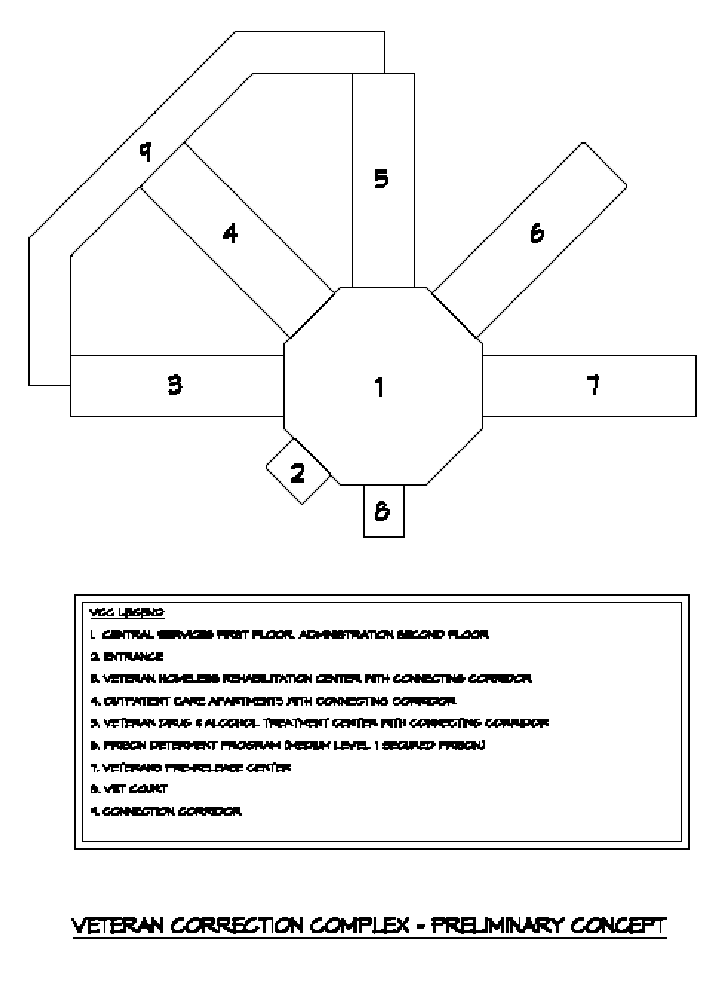
What we are proposing is different from anything in the world. We call it the Veteran Corrections Complex. It will consist of a 2-story octagon with classrooms, counseling offices, conference rooms, PT & OT, Health Center, Basketball Court, lap pool and an auditorium. It will have 6 connecting wings as follows:
- 1: Central Services on Floor 1 & 2
- 2: Entry
- 3: Veteran Homeless Rehabilitation Center
- 4: Apartments for Outpatient Care
- 5: Veteran Alcohol & Drug Rehabilitation Center
- 6: Prison Determent Program
- 7: Pre-release Center proposed to be operated by Boyd Andrews
8: Courthouse for our Vet Court, law offices and offices for staffing
Vet Court: With a below average monthly need for a Vet Court for the Tri-County area of Lewis and Clark, Broadwater and Jefferson Counties by approximately 18%, we propose that the cost reductions of nearly 40% will balance the need and would allow approval for the court. We are proposing that Standing Master Hannah Roe be accepted as the judge since there are no District Court Judges available.
Veteran Pre-release Center: There are many Pre-release Centers across Montana. A few of them do have some moderate courses. But even fewer of them have programs targeting veterans specifically. It is during this time that we believe we can significantly reduce the 29% re-offense rate. For the remaining 71%, our proposed classes are designed to help rebuild their lives, making them healthier, stronger citizens with a solid path forward.
The Prison Determent Program (PDP) is proposed as a medium level-1 security prison for veterans who qualify for the program, operated by DOC. The PDP would allow judges across Montana to hand down a 5-year sentence with 3 years deferred, provided the veteran successfully completes the 2-year program. Once completed, the record would be expunged without a parole requirement.
Outpatient Care Apartments: These apartments can be used for many purposes. They can be used for the Vet Court, outpatient care for drug and alcohol rehabilitation, as a halfway house and so much more. With the connecting corridors to the Homeless Rehabilitation Center and the movable barrier walls, we can adjust the room counts either way as needed.
Veteran Homeless Rehabilitation Center: Rehabilitating Homeless veterans when they have been homeless for years has proven to be the hardest. I have personally experienced trying to help a homeless person after years of being homeless. After only a few months of struggling, they quite often give up. They find that being homeless is easier. Our veterans are the same. We will rebuild their lives in every aspect.
Veteran Drug and Alcohol Rehabilitation Center: This center will specialize in serving our veterans only. They are trying to numb the effects of BWS. We not only will help them recover from their addiction and take them through the steps, but we will also give them the tools to eliminate BWS and address their Moral Injury.
Each of the 6 wings will be controlled by the specialized agency. While the Center for Warriors Foundation will control the Octagon Building and will produce its already successful programs along with many other programs for rebuilding the lives of each male and female veteran and prepare them for a new life without the threat of reoffending. We will also add some outbuildings such as a barn for our horses and other programs.
The Veteran Corrections Complex is designed to deliver exceptional value by combining six specialized wings around a shared core of services, facilities, and support systems. This integrated model will significantly reduce construction and operating costs compared with building or running separate facilities. Even more important, the complex is built to address the root causes of veteran incarceration, addiction, homelessness, and re-offense. By helping veterans rebuild their lives, return to their communities, and avoid repeated involvement in the correctional system, this center can produce lasting savings for taxpayers while strengthening families and improving public safety across Montana.
For more information about our services, please contact us.
HEALTH AND ADDICTION RECOVERY

Let’s discuss an issue that plagues our veterans: Chemical Dependency.
Drugs and alcohol is an extreme enemy and can inhibit recovery for anything else.
For Montana veterans in recovery and the local families and neighbors who care about them, long-term sobriety challenges often show up in ordinary moments, not just crises. Stress can hit without warning, isolation can grow after leaving the structure of service, and mental health in veterans can make a hard day feel even heavier. Veteran addiction recovery becomes more sustainable when daily life has steady anchors that reduce chaos and build confidence. Healthy daily habits for sobriety offer a practical way to protect progress and keep the focus on what matters today.
Healthy Daily Habits Veterans Can Use to Support Long-Term Sobriety

Build a Simple Daily Plan: Move, Eat, Connect, Breathe
When stress, isolation, or low mood hits, a simple plan can keep sobriety from becoming a moment-by-moment fight. Use this “Move, Eat, Connect, Breathe” checklist as beginner sobriety tips you can start this week, no perfection required.
- Move for 20–30 minutes (and keep it veteran-simple): Pick one activity you can repeat daily, brisk walk, light jog intervals, bodyweight circuit, or an easy bike ride. A small, steady target like daily movement can build momentum in early sobriety because it improves sleep, reduces restlessness, and gives your day a clear “mission.” If you’re stiff or coming back from injury, start with 10 minutes and add 2 minutes every few days.
- Use “stress first aid” before you make any big decision: When cravings or frustration spike, do a 3-step reset: drink a full glass of water, step outside for 2 minutes, then do 6 slow breaths. This is one of the most reliable stress reduction techniques because it interrupts the stress loop long enough to choose your next right action. Keep a short list of safe “delay moves” (shower, quick walk, take out trash) so you don’t negotiate with your brain.
- Build a steady-plate meal pattern (don’t skip breakfast): Aim for three anchors each day: protein, fiber, and water. Example: eggs and oatmeal in the morning, a turkey-and-bean chili at lunch, and a sheet-pan dinner with chicken, frozen veggies, and rice. These healthy nutrition habits help stabilize energy and mood, two things that often wobble in recovery, so you’re not fighting hunger and cravings at the same time.
- Create a “two-touch” social support network: Choose two people you can contact daily: one peer (another veteran, recovery contact, trusted friend) and one “home base” person (partner, sibling, neighbor). Text one check-in and make one real voice connection, even if it’s five minutes. This kind of social support network directly counters isolation, the quiet trigger that can build over days without you noticing.
- Practice one-minute mindfulness, multiple times a day: Set a simple rule: every time you sit down (car, chair, couch), take one minute to notice your breath and relax your jaw and shoulders. These mindfulness practices aren’t about “clearing your mind”, they’re about noticing stress early, before it turns into a blow-up or a relapse plan. If you like structure, use a quick body scan: feet, legs, belly, hands, face.
- Plan tomorrow in five lines, then protect one calm space: Before bed, write: wake time, one movement plan, one meal plan, one connection, and one “if-then” for stress (example: “If I feel keyed up after work, then I walk for 10 minutes before I talk about anything heavy”). Treat that list like a promise to yourself, and make it easier by keeping one small area, desk, kitchen counter, or entryway, clear and ready for the morning.
Done consistently, these habits turn recovery into a routine you can actually live with, and they make it easier to build a calmer workspace that supports focus, sleep, and steady nerves.
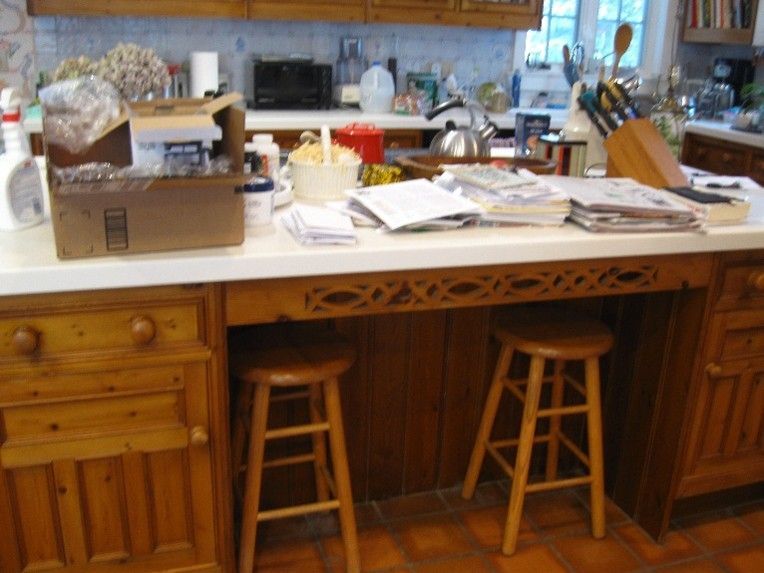
Set Up a Calm Home Workspace in 7 Stress-Lowering Tweaks
When your daily plan includes movement, meals, connection, and breathing, the next stress saver is making your space support those choices, especially where you spend focused time. Start by reducing visual clutter: set up a simple storage system for both paper and digital records so documents don’t pile up and files are easy to find. Then check your lighting, aim for ample, even light so you’re not squinting or straining through the day. If work is laggy or glitchy, update your technology so it’s faster and more efficient; fewer delays can mean fewer frustration spikes.
Support your body with ergonomic furniture that fits you (chair height, monitor position, and a comfortable keyboard setup). Finally, protect focus with a planning and scheduling system that keeps your tasks and appointments in one place; many find home office comfort tips helpful for putting these pieces together. And once your workspace feels steadier, you can build on that stability with a few anchor habits that protect long-term sobriety.
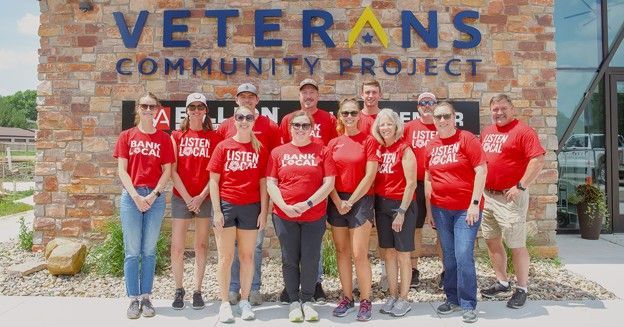
Anchor Habits for Steady, Sober Weeks
For Montana residents and veterans tracking new sustainable community development projects, repeatable routines create predictability when schedules, meetings, and stressors shift. Small practices you can do anywhere build confidence over time and make sobriety maintenance feel like a livable rhythm.
Daily Gratitude Check-In
● What it is: Write three specific things you appreciated today, including one person.
● How often: Daily
● Why it helps: It trains attention toward progress, not pressure.
Outdoor Reset Walk
● What it is: Take a 15-minute walk, noting outdoor activities beneficial to health for many people.
● How often: 4 to 6 days weekly
● Why it helps: Movement lowers agitation and gives cravings time to pass.
Reflective Scan Before Decisions
● What it is: Pause and ask if you are hungry, angry, lonely, or tired.
● How often: Per trigger or big choice
● Why it helps: It helps you respond early instead of reacting late.
Weekly Community Touchpoint
● What it is: Attend one peer group, service shift, or planning meeting.
● How often: Weekly
● Why it helps: Connection strengthens accountability and purpose.
Ten-Week Habit Tracker
● What it is: Track one habit for 10 weeks to make a new habit automatic.
● How often: Daily for 10 weeks
● Why it helps: It builds consistency without relying on motivation.
Sobriety Habit Questions Veterans Ask Most
Q: What if I feel fine and think I do not need daily habits anymore?
A: Feeling better is a win, not a signal to stop. Cravings can show up during success, stress, or boredom, so simple routines help you stay ready. Pick one “non-negotiable” habit you can do even on travel days.
Q: How can I manage cravings during long project meetings or site visits?
A: Use a short delay plan: drink water, breathe slowly for one minute, then text a supportive contact before deciding anything. If you can, step outside for two minutes of movement. Cravings often peak and pass when you interrupt autopilot.
Q: Why do I feel ashamed that recovery is hard when other veterans seem fine?
A: You are not alone, and struggle is not a character flaw. The fact that
1 in 10 veterans has been diagnosed with a substance use disorder shows how common this fight is.
Q: When I slip, does that mean I have failed and should quit?
A: A slip is feedback, not a verdict. Restart within 24 hours with one stabilizing action like a shower, a meal, and a call to your support network. Then adjust your plan to cover the trigger you hit.
Q: Where can I find support when my motivation drops and I isolate?
A: Start with care that is built for veterans:
VA healthcare services can connect you to medical, mental health, and recovery supports. Add one local peer meeting or service role so you have people who notice when you go quiet.
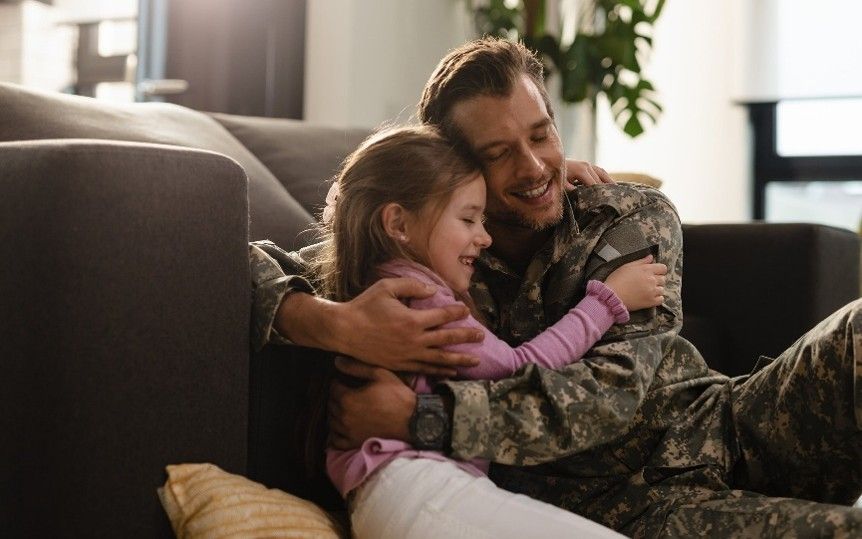
Building Daily Habits That Strengthen Veteran Sobriety and Confidence
Some days, sobriety can feel like a fight between old reflexes and the life worth protecting, especially when cravings hit or motivation for sobriety dips. The steady approach is simple: lean on supportive routines, honest community, and self-compassion in recovery instead of chasing perfection. Over time, these healthy habits build clearer thinking, steadier relationships, and the kind of veteran empowerment that shows up at home, at work, and in the wider Montana community. Small, steady habits turn hard days into long-term sobriety. Choose one next step today, reach out to a trusted person or a local support group and name what you need. This is how stability and resilience take root, one day at a time.
WAYS YOU CAN HELP
- Donate: Your gift directly supports our veterans and their families. Give online at centerforwarriors.org/donate.
- Become a Volunteer: Help with fundraising efforts and the special events we host throughout the year. Contact Rob directly or complete our contact form at centerforwarriors.org/contact.
- Spread the Word: Share our programs and events with friends, family, and your network. Follow and share our posts on Facebook and Instagram.